
Preventative Maintenance vs Reactive Repairs: Which Saves More?
PART 1 IN A SERIES ON THE HIGH COST OF LOW QUALITY
Many healthcare facilities approach instrument repair reactively.
An instrument breaks, becomes dull, or fails inspection—then it gets sent out for repair.
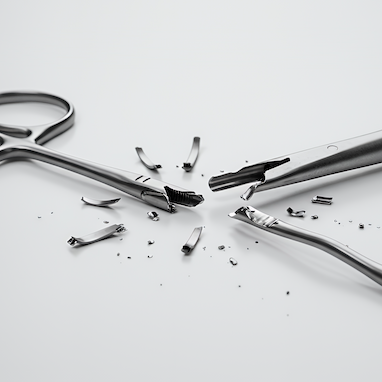
While this approach may seem cost effective initially, reactive-only repair strategies often create higher long-term expenses, operational instability, and avoidable OR disruptions.
Preventative maintenance programs offer a different approach.
The Problem With Reactive Repair Models
Reactive repair means problems are addressed only after failure occurs.
This creates several common issues:
- Emergency repairs
- Unexpected downtime
- OR delays
- Instrument shortages
- Increased backup inventory
- Higher replacement rates
By the time an instrument visibly fails, the damage is often more severe and more expensive to correct.
What Preventative Maintenance Actually Does
Preventative maintenance programs identify and correct problems before instruments fail.
During PM inspections, technicians can identify:
- Early misalignment
- Loose box locks
- Dull cutting edges
- Ratchet wear
- Corrosion
- Structural fatigue
- Insulation failures
Addressing these issues early helps preserve the instrument and stabilize overall repair costs.
The Operational Benefits of PM Programs
Facilities with structured preventative maintenance programs often experience:
Fewer Emergency Repairs
Problems are identified before instruments become unusable.
Better Instrument Availability
Trays remain complete and reliable.
Lower Beyond-Repair Rates
Early intervention helps preserve instrument integrity and extend usable life.
More Predictable Budgeting
Facilities can forecast repair activity more accurately instead of reacting to sudden spikes.
Reduced OR Disruptions
Reliable instrumentation improves workflow consistency throughout the surgical environment.
Preventative Maintenance Is Not “Extra Spending”
One of the most common misconceptions about PM programs is that they increase costs.
In reality, preventative maintenance often reduces:
- Replacement spending
- Rush repair costs
- Loaner dependency
- Inventory expansion
- Workflow disruptions
The goal is not simply to repair instruments. It is to maximize asset life while minimizing operational interruptions.
Building an Effective PM Program
Successful PM programs typically include:
- Scheduled service intervals
- Tray usage analysis
- Instrument tracking
- Reporting and oversight
- Dedicated service planning
- Collaboration between SPD and repair providers
Programs should be customized based on inventory size, surgical volume, and operational needs.
Ready for a Proactive Approach?
Reactive repair strategies may appear less expensive initially, but they often create greater long-term costs and instability.
Preventative maintenance programs improve reliability, reduce disruption, and extend instrument life—making them one of the most effective long-term investments facilities can implement.
Bramstedt partners with healthcare facilities to develop preventative maintenance programs that improve instrument reliability, stabilize repair costs, and reduce avoidable disruptions. With more than 85 years of experience, we help SPD teams take a more proactive approach to protecting critical surgical assets.
Contact Bramstedt to discuss a preventative maintenance strategy tailored to your facility’s inventory, workflow, and operational goals.